Industry
Chinese humanoid makers seek factory and cafe trials in South Korea
Short answer: Chinese humanoid robot makers including UBTech, Anyverse Dynamics, AgiBot and Unitree are trying to win work in South Korea through factory trials and commercial projects as Seoul raises spending on physical AI, The Korea Times reported on 23 October 2026, in an article also published by the South China Morning Post.
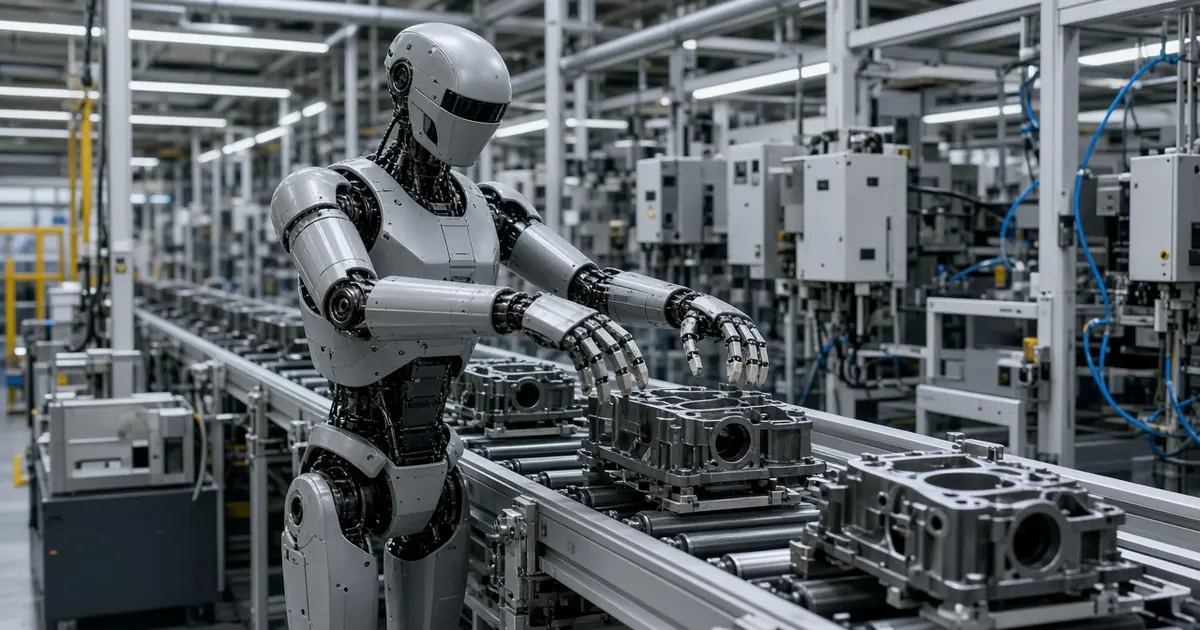
According to the report, UBTech announced in July that it would trial humanoids on a Korean automotive parts line with local partner Duksan JM Robotics and parts maker AJIN Industrial, and a UBTech executive said several models are undergoing on-site tests in the country, without giving details. The same executive said Seoul's Galaxy Robot Park, a robot-themed entertainment venue, bought UBTech's U1 model for around 170,000 yuan (about $25,000). Beijing start-up Anyverse Dynamics told the paper it plans trials in Korean cafes and other service settings in the fourth quarter before moving into manufacturing, and is working on product certification.
Chinese customs data cited in the report show South Korea was China's third-largest export market by value for "intelligent bionic robots" in the first nine months of 2026, at $19.99 million, behind the United States and Japan; the category, introduced this year, covers humanoid robots and robot dogs. The report says Korea's KC certification rules led UBTech to adapt its communication modules and radio settings for the local market.
On policy, the report says the government has proposed 3.1 trillion won (about $2.34 billion) for physical AI in 2027, more than triple this year's figure, and that the industry ministry's M.AX programme targets 500 AI factories by 2030. Korean companies are also active: the paper cites LG Electronics' robot data factory in Seoul, Samsung Electronics' new Robotics eXperience division and Hyundai Motor Group's training of Boston Dynamics' Atlas humanoids in Georgia ahead of a planned 2028 manufacturing deployment. A Counterpoint Research analyst told the paper the lack of locally built humanoids at scale has created an opening for Chinese suppliers, but that they need local customers willing to run proof-of-concept trials. We previously covered Korea's safety-rule exemption for a Robros factory pilot and China's humanoid output and standards push.